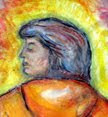


Searching for the Mythic

After a lively discussion about the nature of myth with some of the other writer's in residence at Riversleigh Manor, I developed this piece....
Searching for the Mythic
Looking for a myth to live by was at first an intriguing proposition, but as I got more involved in the search for a meaningful personal myth, I discovered how difficult and circuitous the path.
At first I considered the myths most familiar to me- the Greek myths-- and soon realized that though they are grand stories, they are adventures penned by men for men, stories where women are unseen and unheard. Even the strong female deities seem to have been reduced to caricatures-- Hera, the shrewish wife; Artemis, the woman so wild that she gets hidden away in the forest most of the time. Even Athena herself seems more like a man in drag rather than a woman (and she sprang from her father's head, not her mother's?).
Being unhappy with these classic myths, I moved on to non-Western traditions. For example, I briefly considered the Hopi story of Spider Woman who wove creation on her loom. Again, this is a marvelous story, beautiful in its imagery, with much to teach us, but it is a story from the HOPI culture, not mine.
Myths become myths because they contain timeless truths that resonate with our cultures and personal experiences. So I went back to MY roots and considered the stories that I had been told all my life. In our post-modern world, it may not be cool or hip to read the biblical stories, but these stories are a part of my culture and my life and I will not discard them. My ancient mothers, flawed women living in violent times, were real women who so impressed their communities with their courage, faith, and wisdom, that their stories have become Mythic in nature and will endure forever.
Some might argue that the biblical stories were written by the men-folk, and though this is more than likely correct, they were based on oral traditions articulated by both men and women to their communities, evolving for thousands of years around countless campfires. For example, I really doubt that a man would have constructed the story of Hannah's grief over her barrenness and her feelings of inadequacy. Similarly, who would have shared the intimate details of the Annunciation. Joseph? No, Mary. Only women tell such stories to each other.
I have come full-circle, I think. In my search for a personal mythology, I ended with what already resided within me. I learn the mythic lessons from very real woman. And with that, I am truly content.
Lori Gloyd (c) April 19, 2006
posted by The Gate Keeper | 12:56 PM

0 Comments:
Post a Comment
<< Home